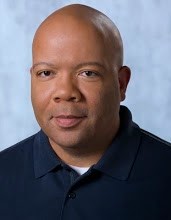
I've been asked to bake my father's jalapeno cornbread. Here is the recipe:
Ingredients
2 TBS butter
1 box Jiffy Corn Bread
1 egg
1 cup sour cream
1 cup creamed corn
4 jalapeno peppers minced
1 cup grated cheddar cheese
1 medium onion chopped
½ green pepper chopped
½ red pepper chopped
Directions
pre-heat oven to 350
Gently saute the onion and peppers in butter until soft. While the onion and peppers saute, mix the corn, sour cream, egg and Jiffy mix together. Let the onion mixture cool for a couple of minutes then combine all ingredients. Pour into a lightly greased 12 inch cast iron skillet and bake for 50 - 60 minutes.
It should be golden brown
Perform a toothpick test to check done-ness
Sunday, February 20, 2011

Friday, January 28, 2011
Technology and fitness goals
It started on Twitter. Someone I follow tweeted about a fitness product unfamiliar to me - FitBit. Being curious, I went to the website http://www.fitbit.com/. The first thing I saw was the price - $99.00. I did not look further - it was too high. I did not know exactly what FitBit did or if it warrented the $99.00 price. My vague impression was that it was a high tech pedometer.
Then, at TED@MotorCity, it was mention by Thomas Goetz, Executive Editor of Wired and author of The Decision Tree. Thomas made the point that people need personal, relevant information to make better choices. He showed graphs and charts from FitBit. Thomas talked about the nature of the personal, relevant information the FitBit provided. Additionally, he talked about the ease of use, tracking against goals and against others. My interest in FitBit went up. I went back to the website to find out more information. In addition to keeping track of activity, it also keeps track of sleep. Sleep is important. The price seemed a lot more reasonable.
I needed more information, so I checked out the reviews in Wired and the Wall Street Journal. The reviews were from October and November of 2009. Generally, they were positive. Both mentioned a lack of a manual. Time to go back to the FitBit site. A link for the manual is right on the home page. I am even more interested, but not quite ready to order. In addition to the features already mentioned, it also tracks calories consumed and expended. Usefull personal relevant information.
A blog post by Angela Jenkins (@AJhealthcoach) on the Healthier Michigan website moved me to action. Five Ways Technology can Help You Achieve and Maintain Your Ideal Weight http://bit.ly/fk2nPk . One of the technologies mentioned - FitBit.
All of this happened within two weeks. I got the hint and ordered my FitBit.
11/04/09 WSJ.com - Fitbit Sees How You Run, Walk and Sleep
http://on.wsj.com/3LK73g
10/16/09 Pocket-Sized Workout Pal Is Data Geek's Dream | Product
Reviews | Wired.com http://t.co/pcAbmdF
Then, at TED@MotorCity, it was mention by Thomas Goetz, Executive Editor of Wired and author of The Decision Tree. Thomas made the point that people need personal, relevant information to make better choices. He showed graphs and charts from FitBit. Thomas talked about the nature of the personal, relevant information the FitBit provided. Additionally, he talked about the ease of use, tracking against goals and against others. My interest in FitBit went up. I went back to the website to find out more information. In addition to keeping track of activity, it also keeps track of sleep. Sleep is important. The price seemed a lot more reasonable.
I needed more information, so I checked out the reviews in Wired and the Wall Street Journal. The reviews were from October and November of 2009. Generally, they were positive. Both mentioned a lack of a manual. Time to go back to the FitBit site. A link for the manual is right on the home page. I am even more interested, but not quite ready to order. In addition to the features already mentioned, it also tracks calories consumed and expended. Usefull personal relevant information.
A blog post by Angela Jenkins (@AJhealthcoach) on the Healthier Michigan website moved me to action. Five Ways Technology can Help You Achieve and Maintain Your Ideal Weight http://bit.ly/fk2nPk . One of the technologies mentioned - FitBit.
All of this happened within two weeks. I got the hint and ordered my FitBit.
11/04/09 WSJ.com - Fitbit Sees How You Run, Walk and Sleep
http://on.wsj.com/3LK73g
10/16/09 Pocket-Sized Workout Pal Is Data Geek's Dream | Product
Reviews | Wired.com http://t.co/pcAbmdF
Sunday, January 16, 2011
Our Martin Luther King, Jr. Holiday tradition
A couple of years ago, we started a Martin Luther King, Jr. Holiday tradition. It began over the holiday weekend. I went to Sam’s Club – just normal weekend routine errand running. Both girls were with me and very well behaved. They kept asking to look at the cakes. We need a cake they chanted. I had other things on my mind - I was focused on getting the items on my list. And this did not include cake. The store was not crowded and I was not in a hurry, so we did browse. The girls looked and insisted that we needed a cake. I purchased everything on the list and we left without a cake.
During that weekend, we spent time talking about Dr. King. My oldest likes his mustache. My youngest thinks he is good looking. At the time both girls thought he never smiled. We assured the girls that Dr. King was a father who enjoyed time with his friends and family and smiled and even laughed.
Monday, the girls again insisted we needed a cake. I asked why? They said we needed a cake to celebrate Dr. Kings birthday. Here was their flawless logic and reasoning: on their birthday, the celebration includes cake; we were celebrating Martin Luther King, Jr’s birthday so we needed cake. I went to the store with my oldest to pick out a cake. We bought candles, sang Happy Birthday to Dr. King and had cake.
A new tradition was born and continues.
During that weekend, we spent time talking about Dr. King. My oldest likes his mustache. My youngest thinks he is good looking. At the time both girls thought he never smiled. We assured the girls that Dr. King was a father who enjoyed time with his friends and family and smiled and even laughed.
Monday, the girls again insisted we needed a cake. I asked why? They said we needed a cake to celebrate Dr. Kings birthday. Here was their flawless logic and reasoning: on their birthday, the celebration includes cake; we were celebrating Martin Luther King, Jr’s birthday so we needed cake. I went to the store with my oldest to pick out a cake. We bought candles, sang Happy Birthday to Dr. King and had cake.
A new tradition was born and continues.
Friday, January 14, 2011
TED@MotorCity
There was a TED event in Detroit, TED@MotorCity on January 9th. What is TED? The best and most clear explanation comes from the TED.com site:
"TED is a small nonprofit devoted to Ideas Worth Spreading. It started out (in 1984) as a conference bringing together people from three worlds: Technology, Entertainment, Design. Since then its scope has become ever broader. Along with two annual conferences -- the TED Conference in Long Beach and Palm Springs each spring, and the TEDGlobal conference in Oxford UK each summer -- TED includes the award-winning TEDTalks video site, the Open Translation Project and Open TV Project, the inspiring TED Fellows and TEDx programs, and the annual TED Prize."
The event, supported by Lincoln was held in The Music Box at the Max M. Fisher Music Center in Detroit. The venue is beautiful. Lincoln vehicles were out front and inside and people were encouraged to examine the vehicles and take a survey about the brand.
Gary Bolles, curator of the event, is CEO of Xigi Inc. From the website:
"xigi (zig'-ee) builds custom software solutions for social-information network mapping and online publishing. The xigi Insight Engine™ provides a flexible and highly scalable platform for the delivery of hosted social-information solutions to the business, government, and non-profit sectors."
Gary introduced C.J. O'Donnell, Group Marketing Manager for Lincoln Mercury, who gave brief remarks.
The theme for the TED@MotorCity event was "New Tomorrows".
Thomas Goetz, Executive Editor of Wired and author of The Decision Tree spoke about personal health care. Better information (personal and relevant) can lead to people making better health choices. He used a standard blood test result document to illustrate his point. The document - dense text did not really convey the information in a way that was meaningful for the patient. Wired changed the report to a color chart showing where the patient was relative to the ideal results. People need personal relevant feedback to make better choices. Technological examples he gave are FitBit, a device that measures activity; Withings Wi-Fi Body Scale which will tweet your weight; and Lose It! a calorie-counting app. His book, The Decision Tree, is now on my reading list.
Dale Dougherty, founder of MAKE Magazine spoke about the societal change from makers to … A few generations ago, people made things. People were handy. Now, not so much. We need to get involved and return to our maker heritage. His talk reminded me of the folks who tinker and mashup and create. I’m sure this is due to the fact that I am reading Wikinomics: How Mass Collaboration Changes Everything by Don Topscott , Anthony D. Williams.
John Gallagher is the architecture critic for the Detroit Free Press and the author of Rethinking Detroit. He spoke about the origins of urban sprawl and a return to community. Cheap energy allowed people to move further and further out. Now, there is a desire to live, work and play close to home. People want walkable communities. John encouraged us to imagine Detroit as a blank canvas and to adopt a “let’s try it” attitude. His book, Rethinking Detroit is now on my reading list.
Jessica Care Moore is an internationally renowned poet/ publisher/ activist/ rock star/ playwright and actor. She performed poetry accompanied on cello by Cecelia Sharpe. I became a fan after seeing her at the TEDxDetroit event in September. The photo in the background, cello and poetry combined into an exhilarating experience. Jessica ended her performance with a challenge “I see ideas everywhere. Do you?” I do Jessica, I do.
Craig Newmark, founder of craigslist.org was interviewed by curator Gary Bolles. Craig spoke about the power of connectedness and collaboration. Again, this fits nicely with the book I am reading: Wikinomics: How Mass Collaboration Changes Everything. Craig encouraged us to get connected and get involved.
Lisa Gansky, author of “The Mesh: Why the Future of Business Is Sharing” was the final speaker and she talked about seeing the planet as one big sharing platform. Lisa encouraged us to share and learn – from our successes and failures. And again, her talk resonated with the book I am reading: Wikinomics: How Mass Collaboration Changes Everything. Lisa’s book, The Mesh: Why the Future of Business Is Sharing, is now on my reading list.
The reception was full of new connections, insightful conversations and fabulous food. A very well done event by the fine folks at TED and Lincoln.
Other folks also wrote up the event:
TED
NYTimes
Beck Davis
Jeannette Gutierrez
Benjamin Slayter
The speakers on Twitter:
Thomas Goetz
Dale Dougherty
Craig Newmark
Lisa Gansky
Saturday, December 11, 2010
The power of making a list
I was not one for making list. Lists were for people who could not remember what they wanted. I was different. I could remember and take action. Sure, there were the occasional second trips to the grocery store because I forgot to pick something up. "To do" list and task list were for other people.
Every book (or blog) I've read about goals stressed writing them down. I thought I was the exception. I thought thinking about my goals and tacking action was more than enough. There was no need to write it down.
I was wrong.
I was not really making progress on my goals. Heck, I did not really have goals – I had vague notions about what I wanted to accomplish – nothing really specific. I was tired of looking back at the end of the year and being no closer to my vague unwritten goals than the year before. This year in January, I decided to write my goals down on paper. I planned my day based on my written goals. I reviewed my goals and checked them off. As they were accomplished, I wrote new goals. The progress made this year is tremendous. It really is as simple as every else states it - write your goals down.
As the year draws to a close, I am developing my goals for 2011 and my plans to accomplish them.
Every book (or blog) I've read about goals stressed writing them down. I thought I was the exception. I thought thinking about my goals and tacking action was more than enough. There was no need to write it down.
I was wrong.
I was not really making progress on my goals. Heck, I did not really have goals – I had vague notions about what I wanted to accomplish – nothing really specific. I was tired of looking back at the end of the year and being no closer to my vague unwritten goals than the year before. This year in January, I decided to write my goals down on paper. I planned my day based on my written goals. I reviewed my goals and checked them off. As they were accomplished, I wrote new goals. The progress made this year is tremendous. It really is as simple as every else states it - write your goals down.
As the year draws to a close, I am developing my goals for 2011 and my plans to accomplish them.
Friday, November 26, 2010
"the rest of your life"
The doctor used the phrase, "the rest of your life." I listened and reflected. Fine by me was my reaction. However other people (co-workers and family) heard the news and over reacted. Does it really matter? My doctor informed me that I will be on anticoagulants for the rest of my life. The expectations are that I will live a long time. I do not see a problem with taking a pill. The inconvenience is minimal. The pill is readily available. I do not suffer any side-affects. All in all - no problem. When I tell others, there is always a reaction. Some place a hand on my shoulder. Some ask if I am ok. They react as if my life is more complicated because I need to pop a pill daily. They react as if my life is now more fragile. While I appreciate the concern, I do not understand.
I were glasses (or contacts) and have since age 11. If I want to see (and I do) I will require corrective eye wear "for the rest of my life". No reaction. No hand on my shoulder. No one ask if I am ok. No one reacts as if my life is more complicated because I need wear glasses.
Generally, I do appreciate the fragility of life. I am glad I live in a time and place where a drug I need is available and low cost. I do not see taking it as a burden, but a blessing.
I were glasses (or contacts) and have since age 11. If I want to see (and I do) I will require corrective eye wear "for the rest of my life". No reaction. No hand on my shoulder. No one ask if I am ok. No one reacts as if my life is more complicated because I need wear glasses.
Generally, I do appreciate the fragility of life. I am glad I live in a time and place where a drug I need is available and low cost. I do not see taking it as a burden, but a blessing.
Wednesday, November 17, 2010
A Secret Family Recipe
He handed me a sheet of paper as I entered. I took a glance - this was it! This was the Sweet Potato Pie recipe! Pop's Sweet Potato Pies are legendary. As a child, I took them for granted - it was just the pie my father baked. Others raved. When he baked them for family or church functions, they quickly disappeared. As an adult, I really appreciate the pies. Recently, he baked 18 pies. It was a multiple day effort. The pies were gone in moments at a church function. This was the recipe I held in my hands. Pop had never shared it - not even with his children. Having it was like a license to print money. I folded the paper and put it away.
We were gathered at my father's house for Thanksgiving. After a wonderful meal, out came a few pies. My siblings ask when Pop would share the recipe. I was silent. Pop was not. "I just gave Chris a copy. Do you want one too?" Pop asked. My siblings all replied yes enthusiastically. My license to print money was diminished, but it was ok. Pop, went to his computer and printed a couple copies. We all looked at the recipe. Ah, the secret was sweetened condensed milk. Oh, I thought I tasted a hint of ginger. Then my sister asked the question "how many pies does the recipe make?"
Pop replied "That recipe makes four pies." Wait. Pop is very precise in his use of language. "That recipe” This implies that there are others. This implies that this is not "thee" recipe. I asked. Pop, with a twinkle in his eye, repeated his answer. I asked a different question: "is this the recipe you used for these pies?" Pop replied "pretty close. Every recipe is just a starting point."
Pop is right. He gave me a starting point. I'm curious enough to try it and make adjustments. My adjustments will make it my recipe. And when the time is right, I will share it (mostly) with my daughters - giving them a starting point.
We were gathered at my father's house for Thanksgiving. After a wonderful meal, out came a few pies. My siblings ask when Pop would share the recipe. I was silent. Pop was not. "I just gave Chris a copy. Do you want one too?" Pop asked. My siblings all replied yes enthusiastically. My license to print money was diminished, but it was ok. Pop, went to his computer and printed a couple copies. We all looked at the recipe. Ah, the secret was sweetened condensed milk. Oh, I thought I tasted a hint of ginger. Then my sister asked the question "how many pies does the recipe make?"
Pop replied "That recipe makes four pies." Wait. Pop is very precise in his use of language. "That recipe” This implies that there are others. This implies that this is not "thee" recipe. I asked. Pop, with a twinkle in his eye, repeated his answer. I asked a different question: "is this the recipe you used for these pies?" Pop replied "pretty close. Every recipe is just a starting point."
Pop is right. He gave me a starting point. I'm curious enough to try it and make adjustments. My adjustments will make it my recipe. And when the time is right, I will share it (mostly) with my daughters - giving them a starting point.
Tuesday, November 2, 2010
Chasing 315
The quest began shortly after I entered the Powerhouse Gym in Highland Park almost 30 years ago. It was the summer between high school and college. A few friends were going to gym to stay ready for football when they went away to college. They were all playing college ball someplace – I never played or had interest in football. I just wanted to get into shape. As I entered the gym, I was impressed by the massive amounts of weight lifted by massive men. I was new to working out with weights and self conscious. I was not a 95 pound weakling – I was a 200 pound weakling.
One exercise people like to use as a measure of strength is the bench press. The folk I worked out with were lifting more than 225 pounds - 2 large 45 pound plates on each side of a 45 pound bar. The strongest of the group was lifting 315 - 3 large 45 pound plates on each side of a 45 pound bar. When it was my turn, they dropped the weight to 135 (one 45 pound plate on each side). I gasped, squirmed and struggled. It was too heavy and I was embarrassed. They assured me - everyone starts out with a low weight. They lowered it to 95 pounds. I struggled less and lifted the weight.
That was when I set a goal of lifting 315. I worked hard that summer. By the fall, I was benching 135. The folk I worked out with emphasized form over amount of weight. I was still embarrassed - but I kept working on it. I decided to buy a lifetime membership (initial fee of $290.00 and a $50.00 renewal).
When the folk I worked out with went away to college, I kept going and worked out with a new group. I made progress. Over time, I improved and became more confident. I realized that it is not important where you start - just that you start.
After a few years of hard work, I accomplished it - I was able to bench 315. Now what? I changed my goal to lift it with ease. Accomplished. Now what? I did not have a fitness goal - only a single exercise. I lost focus and purpose in my workouts. Without focus at the gym, I slacked off. I stopped going for long stretches of time. The longer I was away, the easier it was to stay away.
I needed a proper goal. I needed a general fitness goal to go along with various specific goals. Setting a goal of benching 315 was limiting – it said nothing about health or fitness. It was not part of an overall fitness goal. Without a health and fitness goal, I gained weight – a lot of weight. I topped out at 330. While working toward my goal of benching 315, my over 6 foot frame stayed about 235.
The start of this year, I set a general fitness goal to go along with various specific strength goals. Based on a TED talk by Derek Sivers, I’m going to keep these goals private. They are written down and I hold myself accountable. After I achieve them, I'll share them.
You can check out the TED Talk by Derek Sivers here: http://bit.ly/dgPwfg
One exercise people like to use as a measure of strength is the bench press. The folk I worked out with were lifting more than 225 pounds - 2 large 45 pound plates on each side of a 45 pound bar. The strongest of the group was lifting 315 - 3 large 45 pound plates on each side of a 45 pound bar. When it was my turn, they dropped the weight to 135 (one 45 pound plate on each side). I gasped, squirmed and struggled. It was too heavy and I was embarrassed. They assured me - everyone starts out with a low weight. They lowered it to 95 pounds. I struggled less and lifted the weight.
That was when I set a goal of lifting 315. I worked hard that summer. By the fall, I was benching 135. The folk I worked out with emphasized form over amount of weight. I was still embarrassed - but I kept working on it. I decided to buy a lifetime membership (initial fee of $290.00 and a $50.00 renewal).
When the folk I worked out with went away to college, I kept going and worked out with a new group. I made progress. Over time, I improved and became more confident. I realized that it is not important where you start - just that you start.
After a few years of hard work, I accomplished it - I was able to bench 315. Now what? I changed my goal to lift it with ease. Accomplished. Now what? I did not have a fitness goal - only a single exercise. I lost focus and purpose in my workouts. Without focus at the gym, I slacked off. I stopped going for long stretches of time. The longer I was away, the easier it was to stay away.
I needed a proper goal. I needed a general fitness goal to go along with various specific goals. Setting a goal of benching 315 was limiting – it said nothing about health or fitness. It was not part of an overall fitness goal. Without a health and fitness goal, I gained weight – a lot of weight. I topped out at 330. While working toward my goal of benching 315, my over 6 foot frame stayed about 235.
The start of this year, I set a general fitness goal to go along with various specific strength goals. Based on a TED talk by Derek Sivers, I’m going to keep these goals private. They are written down and I hold myself accountable. After I achieve them, I'll share them.
You can check out the TED Talk by Derek Sivers here: http://bit.ly/dgPwfg
Wednesday, October 27, 2010
A Simple Thing
I replaced a light bulb recently and smiled because of my wife. Shortly after getting married, I needed to replace a bulb and did what I've done for years - I reached up, took the old bulb out and put the new bulb in. I thought nothing of it. My new wife stood with her mouth agape in amazement. She had never seen anyone "just reach up" and change a light bulb. She quickly got on the telephone and called her family and little friends to tell them what she had seen. I smiled and laughed. Later we went by my folks home and the story was told. I've known my family my whole life. They were not impressed. My wife intoned "he just reached up". Silence. They were just not impressed by something I'd been doing for 20 years.
Eleven years into marriage, I still just reach up - and smile as I recall the first time my wife saw me change a light bulb. Eleven years into the marriage, it takes a bit more to impress my wife - and I still try to impress her.
Eleven years into marriage, I still just reach up - and smile as I recall the first time my wife saw me change a light bulb. Eleven years into the marriage, it takes a bit more to impress my wife - and I still try to impress her.
Monday, October 18, 2010
Finding a cash position for my portfolio
How many of you have a budget?
When I moved out on my own, I lived check to check and most assets were donations from family. Every check was earmarked for the long list of items needed to live independently. I shopped for furniture
by asking friends and family: the parent's old couch; a table from one friend and a chair from another. None of it matched, but the price was right - free. Slowly over time, I built up savings and assets.
Now, when I shop for furniture, I start at a store. Now, I save money from each check.
This growth and maturity and planning is the same for a portfolio.
I started investing in stocks about 12 years ago. My first purchase, after careful research, was Adobe (ADBE). I used a free trade at a discount broker and spent $100.00 to buy two shares. Those two shares cost $95.00.
I used the four guiding principles (as I understood them) of BetterInvesting:
1. Invest a set amount regularly
2. Reinvest earnings dividends and profits - be fully invested.
3. Invest in quality growth stocks and equity mutual funds
4. Diversify your investments
Cash is not mentioned. My understanding was I needed to be fully invested at all times. As I ran the numbers, investing $100 a month into the market would result in lots of transaction fees which would
eat into my returns. I decided to set a threshold of $500 to keep the fees lower. Waiting five months to make a purchase seemed really hard. Stocks were going up and I was not fully invested in the
market. I was in a hurry to build a portfolio. I thought cash on the sidelines was a wasted opportunity. I thought cash on the sidelines meant not being fully invested.
Running a home takes financial planning and a budget. Everyone get this concept. Using a budget allows you to take advantage of sales on the things you need and want. Using a budget allows you to plan for future spending. The same holds true for a portfolio.
There was a great series of articles on Manifestinvesting.com (subscription required, free 30 day trial). An article from June 2010 mentioned the amount of cash being a floating function of the expected returns of the portfolio. Whenthe expected returns are high (stocks are on sale), cash should be low; when expected returns are low (stocks are high in value), cash should be high.
It was an a-ha moment. Of course! It only makes sense that the amount of cash varies with expectations of the portfolio. And a formula makes it even better. The amount of cash ranges from 0%
(everything is on sale) to 25% (nothing is on sale).
As of 10/17, the median projected annual return (PAR) for all stocks followed by MANIFEST is 8.5%. This results in an ideal cash position of 0.25 (1.25 X 0.085) = 0.14375 or 14.375%. My current cash position is 10%. This does not mean I need to sell stock to bring cash up to 14% - but it does mean I am keeping my monthly deposits in cash.
When I moved out on my own, I lived check to check and most assets were donations from family. Every check was earmarked for the long list of items needed to live independently. I shopped for furniture
by asking friends and family: the parent's old couch; a table from one friend and a chair from another. None of it matched, but the price was right - free. Slowly over time, I built up savings and assets.
Now, when I shop for furniture, I start at a store. Now, I save money from each check.
This growth and maturity and planning is the same for a portfolio.
I started investing in stocks about 12 years ago. My first purchase, after careful research, was Adobe (ADBE). I used a free trade at a discount broker and spent $100.00 to buy two shares. Those two shares cost $95.00.
I used the four guiding principles (as I understood them) of BetterInvesting:
1. Invest a set amount regularly
2. Reinvest earnings dividends and profits - be fully invested.
3. Invest in quality growth stocks and equity mutual funds
4. Diversify your investments
Cash is not mentioned. My understanding was I needed to be fully invested at all times. As I ran the numbers, investing $100 a month into the market would result in lots of transaction fees which would
eat into my returns. I decided to set a threshold of $500 to keep the fees lower. Waiting five months to make a purchase seemed really hard. Stocks were going up and I was not fully invested in the
market. I was in a hurry to build a portfolio. I thought cash on the sidelines was a wasted opportunity. I thought cash on the sidelines meant not being fully invested.
Running a home takes financial planning and a budget. Everyone get this concept. Using a budget allows you to take advantage of sales on the things you need and want. Using a budget allows you to plan for future spending. The same holds true for a portfolio.
There was a great series of articles on Manifestinvesting.com (subscription required, free 30 day trial). An article from June 2010 mentioned the amount of cash being a floating function of the expected returns of the portfolio. Whenthe expected returns are high (stocks are on sale), cash should be low; when expected returns are low (stocks are high in value), cash should be high.
It was an a-ha moment. Of course! It only makes sense that the amount of cash varies with expectations of the portfolio. And a formula makes it even better. The amount of cash ranges from 0%
(everything is on sale) to 25% (nothing is on sale).
As of 10/17, the median projected annual return (PAR) for all stocks followed by MANIFEST is 8.5%. This results in an ideal cash position of 0.25 (1.25 X 0.085) = 0.14375 or 14.375%. My current cash position is 10%. This does not mean I need to sell stock to bring cash up to 14% - but it does mean I am keeping my monthly deposits in cash.
Friday, October 8, 2010
seven minutes of terror
The big game (Michigan vs. Michigan State) happens tomorrow. All around me people are voicing their opinion on who will win and why. I am ambivalent. My wife is grateful that she is not a sports widow.
Despite my lack of interest in sports, I remain somewhat conversant about sports. The reason is work. With the number people talking about sports, I pick up a few thing by osmosis. Additionally, I used to force myself to know about sports. It was for my job.
Years ago, I worked at a small adult contemporary radio station in Port Huron. It was my first job in radio. It was thrilling. The first day on the job, my boss showed me the way thing worked. He was impressed with how I did the math in my head. The station ID played automatically at the top of the hour and you never want the ID to play during the middle of a song. Additionally, there was the ABC news feed that happened right after the station ID. I added up the minutes and seconds in my head and planned the last 20 minutes of the hour. My boss felt confident in my abilities and decided to leave. As he was leaving, he mentioned "oh, start gathering stories from the wire for the 6:00pm sports report". I stammered "Sports report?" He said "Yeah, we do seven minutes of sports - mostly highlights. If you want to write it, go ahead. Or just grab it off the wire"
I smiled and said not a problem. Inside I was in a state of panic. I grabbed a few stories from the wire and scanned stories for unfamiliar (hard to pronounce) names. I was safe - this time.
On my way home from the station I picked up a copy of Sports Illustrated and filled out the card for a subscription. I also started devouring the sports section in the two daily papers. I started listening to sports talk radio. I wanted to make sure I would not embarrass myself by mispronouncing a name or not understanding how the information was conveyed. Over the next few weeks, I increased my sports knowledge, but I was still anxious.
During this time, The Red Wings were winning - a lot. The roster terrified me. I practiced the names over and over. I was determined to not be embarrassed. All my hard work paid off - until the day I opened the mic and announced "Wed Wing Win". All the hard work done to avoid embarrassment was undone. The phone lines lit up with amused callers. The pressure I placed on myself also disappeared that day. Without the fear of embarrassment and pressure, the amount of fun increased exponentially.
Despite my lack of interest in sports, I remain somewhat conversant about sports. The reason is work. With the number people talking about sports, I pick up a few thing by osmosis. Additionally, I used to force myself to know about sports. It was for my job.
Years ago, I worked at a small adult contemporary radio station in Port Huron. It was my first job in radio. It was thrilling. The first day on the job, my boss showed me the way thing worked. He was impressed with how I did the math in my head. The station ID played automatically at the top of the hour and you never want the ID to play during the middle of a song. Additionally, there was the ABC news feed that happened right after the station ID. I added up the minutes and seconds in my head and planned the last 20 minutes of the hour. My boss felt confident in my abilities and decided to leave. As he was leaving, he mentioned "oh, start gathering stories from the wire for the 6:00pm sports report". I stammered "Sports report?" He said "Yeah, we do seven minutes of sports - mostly highlights. If you want to write it, go ahead. Or just grab it off the wire"
I smiled and said not a problem. Inside I was in a state of panic. I grabbed a few stories from the wire and scanned stories for unfamiliar (hard to pronounce) names. I was safe - this time.
On my way home from the station I picked up a copy of Sports Illustrated and filled out the card for a subscription. I also started devouring the sports section in the two daily papers. I started listening to sports talk radio. I wanted to make sure I would not embarrass myself by mispronouncing a name or not understanding how the information was conveyed. Over the next few weeks, I increased my sports knowledge, but I was still anxious.
During this time, The Red Wings were winning - a lot. The roster terrified me. I practiced the names over and over. I was determined to not be embarrassed. All my hard work paid off - until the day I opened the mic and announced "Wed Wing Win". All the hard work done to avoid embarrassment was undone. The phone lines lit up with amused callers. The pressure I placed on myself also disappeared that day. Without the fear of embarrassment and pressure, the amount of fun increased exponentially.
Friday, October 1, 2010
Behold the power of karaoke
Our local library held a family function recently - and the family went. The girls (ages 5 and 8) were eager to go – they love reading. And events like this usually feature junk food. As we entered, I heard a child singing and music. They had kid karaoke. This version features songs familiar to kids – Disney stuff and some pop music. I enjoy karaoke. I asked the oldest daughter if she wanted to sing. A quick, flat “no” was the response. The youngest quickly piped up “I do.”
The 5 year old saw a few of her friends and decided to run and play. The next time I looked up, she was talking to the people running the kid karaoke. My youngest is still learning to read - she's just 5. She cannot look through the catalog of songs and pick out an artist. After she finished talking to the folk running the karaoke, she came over and told me the song she selected to sing: "Best of Both Worlds" - the theme song for Hannah Montana.
After telling me, she told her friends and their parents. Then the waiting began. The 5 year old sat and waited. She was patient. Eventfully, my oldest came over and heard that her little sister was going to sing. The oldest likes being shy, however, Hannah Montana is her favorite show; and she's not going to let her little sister show her up. Well, the youngest wanted to sing alone. When the oldest prevailed upon me, the youngest relented.
The total wait time was about an hour. The 5 year old sat and waited. And waited. She was never bored. When it was her turn, she ran to the stage. The 8 year old casually sauntered - she was cool. The oldest thought being able to read the lyrics would be an advantage. The youngest just knows the song. Each daughter had a mic. The cool 8 year old – no gestures; no facial expressions; just singing. And the 5 year old performer jumped around, sang loudly and was very animated.
I'm proud of them both.
The 5 year old saw a few of her friends and decided to run and play. The next time I looked up, she was talking to the people running the kid karaoke. My youngest is still learning to read - she's just 5. She cannot look through the catalog of songs and pick out an artist. After she finished talking to the folk running the karaoke, she came over and told me the song she selected to sing: "Best of Both Worlds" - the theme song for Hannah Montana.
After telling me, she told her friends and their parents. Then the waiting began. The 5 year old sat and waited. She was patient. Eventfully, my oldest came over and heard that her little sister was going to sing. The oldest likes being shy, however, Hannah Montana is her favorite show; and she's not going to let her little sister show her up. Well, the youngest wanted to sing alone. When the oldest prevailed upon me, the youngest relented.
The total wait time was about an hour. The 5 year old sat and waited. And waited. She was never bored. When it was her turn, she ran to the stage. The 8 year old casually sauntered - she was cool. The oldest thought being able to read the lyrics would be an advantage. The youngest just knows the song. Each daughter had a mic. The cool 8 year old – no gestures; no facial expressions; just singing. And the 5 year old performer jumped around, sang loudly and was very animated.
I'm proud of them both.
Monday, September 27, 2010
Education: Choices and Sacrifices
There was a segment on the NPR program Tell Me More (09/21/10) that struck a chord with me. The segment was about parents going back to school to complete a degree. I completed both my bachelor's and master's after becoming a husband and father. The essential element for me completing both degrees was the support of family.
As a child, I saw my parents make the economic choice to complete their education. I call it an economic choice because that's how it was explained to me. My father, a teacher, looked at the union rules and understood that earning a Master's would increase his paycheck - so he earned his Master's. My parents ran the numbers and figured that if my mother completed her degree in education it would have a positive impact on the family finances. It did. Then my mother completed her Master's to increase her paycheck. There was a clear understanding and explanation of the economic importance of completing an education.
My parents encouraged me to complete my degree while I was single and childless. I did not listen. My educational path was in many ways the opposite of theirs. Instead of focusing on the economic benefits of a degree, I focused on subjects I was curious about. I changed majors: architecture; computer science; and finally communication studies. I completed my bachelor's 20 years after I started it and in a different field than my career. Along the way, I got married and became a father. I didn't full understand or appreciate my parents' sacrifice until I became a parent and discussed those same sacrifices with my wife and children. As a parent, I appreciate even more the sacrifices my parents made and the lessons imparted about education. Now, I encourage my children in their educational pursuits. I let them know they can achieve their dreams on their time table – as long as they never give up.
As a child, I saw my parents make the economic choice to complete their education. I call it an economic choice because that's how it was explained to me. My father, a teacher, looked at the union rules and understood that earning a Master's would increase his paycheck - so he earned his Master's. My parents ran the numbers and figured that if my mother completed her degree in education it would have a positive impact on the family finances. It did. Then my mother completed her Master's to increase her paycheck. There was a clear understanding and explanation of the economic importance of completing an education.
My parents encouraged me to complete my degree while I was single and childless. I did not listen. My educational path was in many ways the opposite of theirs. Instead of focusing on the economic benefits of a degree, I focused on subjects I was curious about. I changed majors: architecture; computer science; and finally communication studies. I completed my bachelor's 20 years after I started it and in a different field than my career. Along the way, I got married and became a father. I didn't full understand or appreciate my parents' sacrifice until I became a parent and discussed those same sacrifices with my wife and children. As a parent, I appreciate even more the sacrifices my parents made and the lessons imparted about education. Now, I encourage my children in their educational pursuits. I let them know they can achieve their dreams on their time table – as long as they never give up.
Friday, September 24, 2010
Healthy irony
This year, I made a resolution to lose weight and get in better shape. I joined a gym in January. It’s a mile from the house and I started going three days a week. I went after the kids were in bed asleep; I went when I felt great; I went when I would rather be a couch potato. All the hard work is paying off. I’m smaller than when I got married.
I also went to the doctor for my occasional physical. When they say annual, they really mean every other year. Blood pressure 120 over 80, heart rate 71; cholesterol 100 (I need to raise the good cholesterol). They suggest exercise and more leafy green vegetables to raise it. Additionally, my doctor recommended an increase in the amount of exercise. 250 minutes a week to lose weight; after reaching the goal weight, just 150 minutes a week. I increased my workouts to five days a week.
I felt great, and committed to a 5K. The time for my first 5k is not important - I finished. Stating it as “my first” indicates my desire to do more of them. All is well right? Wrong. I woke up on Father’s day in incredible pain. This time, it was in my leg. I could barely walk. It was 3:00am and my wife was still asleep, so I wrote her a note “change in plans for Father’s day – take me to the ER please.” When my wife awoke, she read the note and took me to the ER. Yep, a blood clot. I am on anticoagulants. As the folk in the ER are gathering my history, they hear computer geek and ask “do you get any physical activity – and picking up the remote for the TV does not count?” I tell them I just ran a 5K. I tell them I work out five days a week. They look skeptical. They check my numbers: Blood pressure 120 over 80, heart rate 78; They scratch their heads. Now that I am back on anticoagulants, I have to limit my intake of leafy green vegetables – the same leafy green vegetables that would help raise my good cholesterol.
In January I walked with ease. Sure, I was 330 pounds, but there were no mobility problems. Now, I am 265 pounds (30 pounds to go to hit my goal). I walk with a limp. It takes me longer to get where I am going. Oh the irony of being “healthier”.
I also went to the doctor for my occasional physical. When they say annual, they really mean every other year. Blood pressure 120 over 80, heart rate 71; cholesterol 100 (I need to raise the good cholesterol). They suggest exercise and more leafy green vegetables to raise it. Additionally, my doctor recommended an increase in the amount of exercise. 250 minutes a week to lose weight; after reaching the goal weight, just 150 minutes a week. I increased my workouts to five days a week.
I felt great, and committed to a 5K. The time for my first 5k is not important - I finished. Stating it as “my first” indicates my desire to do more of them. All is well right? Wrong. I woke up on Father’s day in incredible pain. This time, it was in my leg. I could barely walk. It was 3:00am and my wife was still asleep, so I wrote her a note “change in plans for Father’s day – take me to the ER please.” When my wife awoke, she read the note and took me to the ER. Yep, a blood clot. I am on anticoagulants. As the folk in the ER are gathering my history, they hear computer geek and ask “do you get any physical activity – and picking up the remote for the TV does not count?” I tell them I just ran a 5K. I tell them I work out five days a week. They look skeptical. They check my numbers: Blood pressure 120 over 80, heart rate 78; They scratch their heads. Now that I am back on anticoagulants, I have to limit my intake of leafy green vegetables – the same leafy green vegetables that would help raise my good cholesterol.
In January I walked with ease. Sure, I was 330 pounds, but there were no mobility problems. Now, I am 265 pounds (30 pounds to go to hit my goal). I walk with a limp. It takes me longer to get where I am going. Oh the irony of being “healthier”.
Subscribe to:
Posts (Atom)